Good Vibes Only Is Killing Your Conversion
Good Vibes Only Is Killing Your Conversion
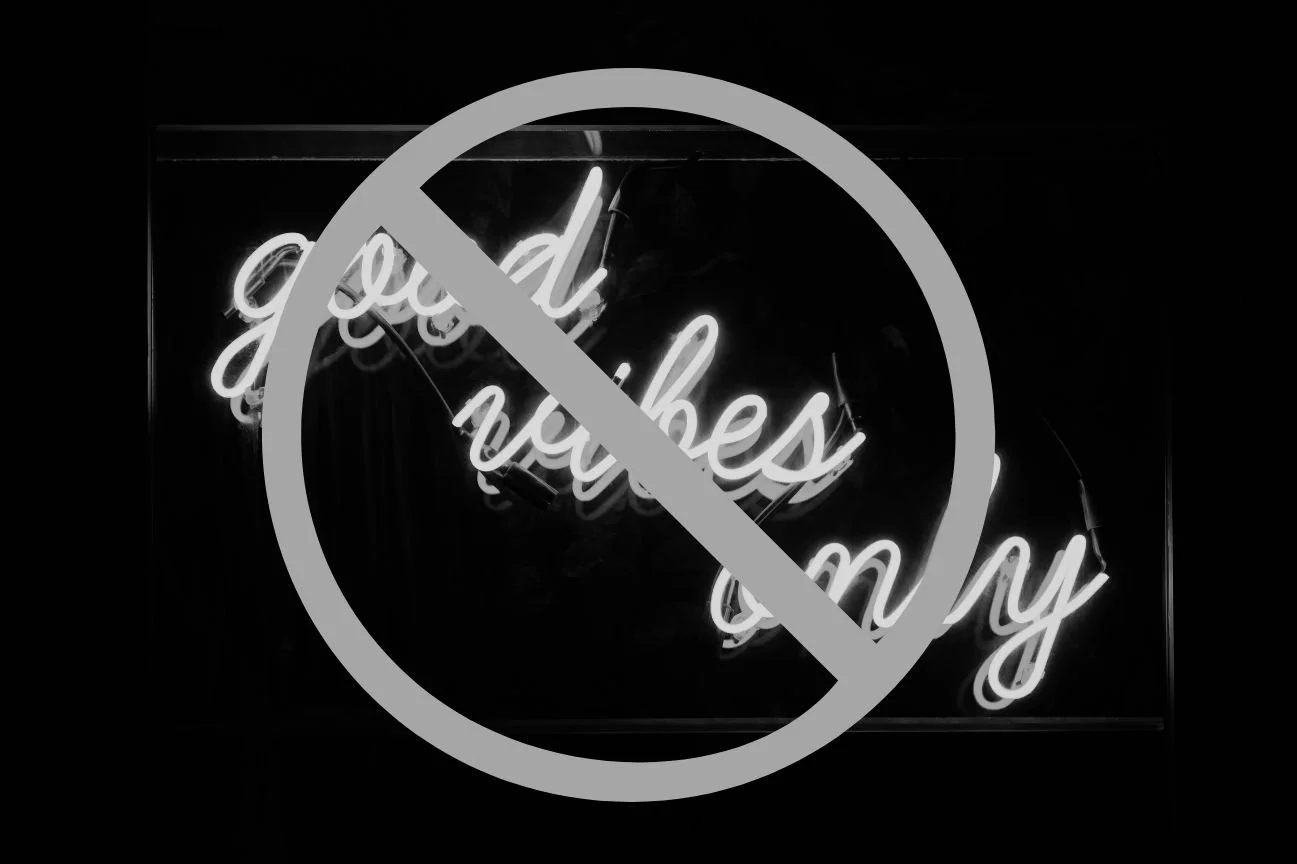
Somewhere along the way, “Good Vibes Only” became a brand strategy.
You’ve seen it.
Soft tones. Safe language. Lots of talk about alignment, empowerment, authenticity. Everything looks nice. Everything sounds nice. Everyone’s having a good time.
Except… they’re not buying.
That’s because good vibes don’t sell. Clarity does.
And a brand that refuses to name the real problem won’t be the one people trust to solve it.
Why Positivity Isn’t a Strategy
Let’s start here: people don’t buy products or services to feel good. They buy to fix something.
When your brand avoids tension, discomfort, or even a firm point of view, it becomes forgettable. Harmless. Polished to the point of being irrelevant.
There’s a difference between being positive and being passive.
Most “good vibes only” brands fall into the second category. They post the same carousel three times a week. They throw around buzzwords like they mean something. They stay safe, and they stay vague.
And they wonder why people engage, but don’t convert.

Tension Is What Builds Trust
The brands that win? They tell the truth. They don’t sugarcoat the problem. They don’t pretend everything’s fine. They look you in the eye and say:
You’re stuck. Here’s why. And here’s how I fix it.
They name the pain. They define the stakes. They give the buyer language for the thing they’ve been feeling but couldn’t quite describe.
That’s not negativity. That’s leadership.
Real Brands Doing It Right
Here’s how some of the most effective, high-converting brands leverage tension, clarity, and honesty..instead of hiding behind “vibes.”
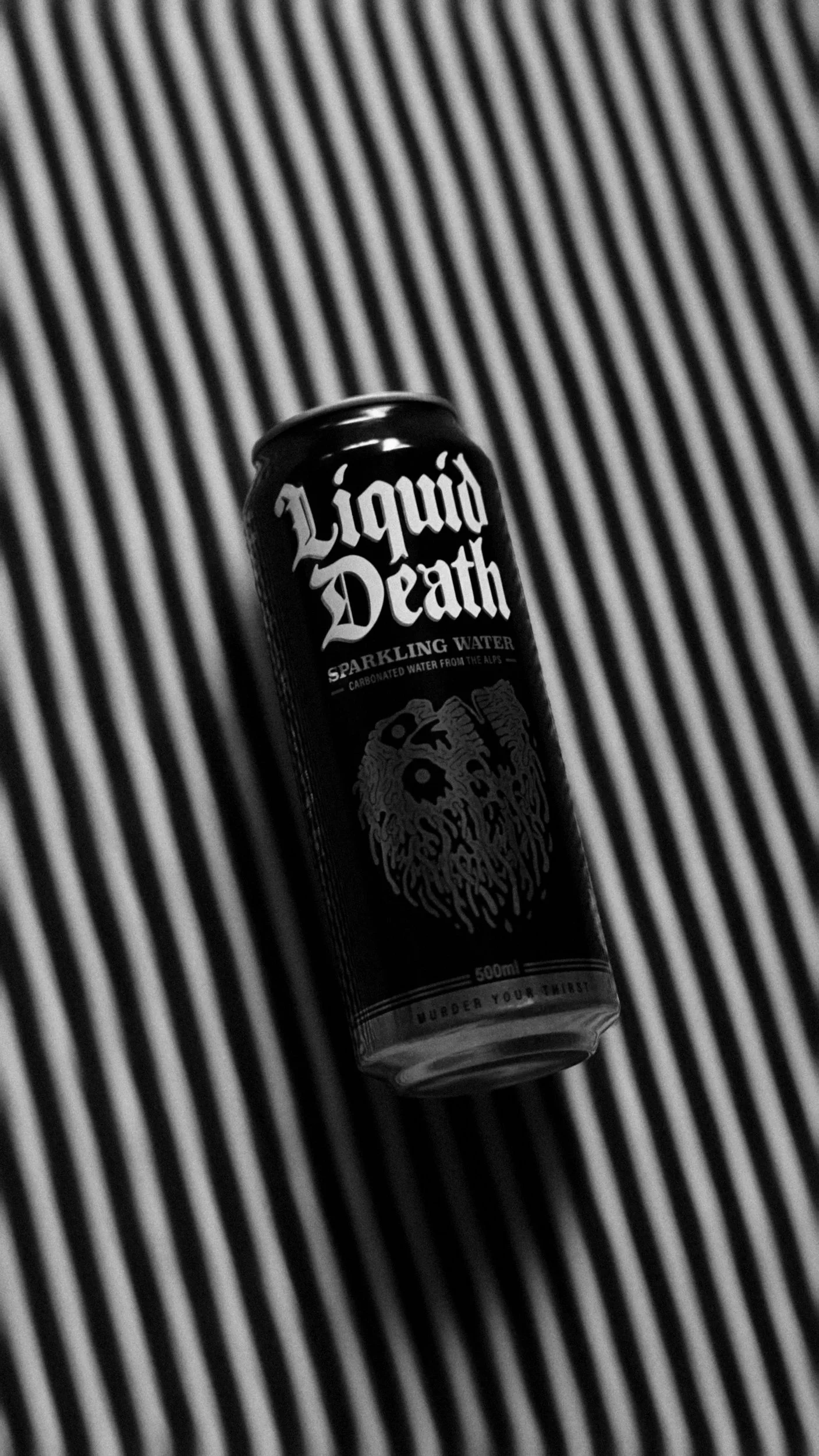
Liquid Death (again…)
They sell canned water. But they market it like a punk rock show. And my rock n’ roll sensibilities love that.
Their tagline? “Murder Your Thirst.”
They call out the bottled water industry, poke fun at wellness culture, and don’t try to be anything but disruptive. People don’t just buy the product. They join the rebellion. If Rage Against the Machine were a water brand, it would be this one.
Oatly
Oatly’s brand voice is irreverent, weird, and opinionated. That’s my jam.
They say things like “It’s like milk, but made for humans.”
That one sentence sparks curiosity, controversy, and loyalty. Way more effective than "delicious plant-based alternative."
Their brand reminds us of where milk actually comes from, without being preachy. Instead of sounding like one of those holier-than-thou vegans on TikTok, their tagline and branding make us think, while still staying true to their mission.

What “Good Vibes Only” Actually Does
You think you’re being warm, welcoming, and inspiring. But to your audience, it can come across as:
Vague
Evasive
Fluffy
Noncommittal
Indistinguishable from everyone else
You’re not building trust. You’re lowering urgency.
Want to See the Difference?
Here’s a soft, vibes-only brand statement:
“We help empowered women create aligned brands and live their purpose.”
Now here’s one with edge and clarity:
“You’re smart and capable. But your message is muddled, your offers are vague, and your audience is tuning out. Let’s fix that before you waste another dollar (or another ounce of energy) on work that doesn’t put money into your pocket.”
One sounds like background noise. The other makes you stop, pay attention, and lean in.
So, What Should You Do?
You don’t need to become a cynic or burn your entire tone to the ground. I’m not saying you have to be as blunt as I am. But you do need to stop tiptoeing around the truth.
Here’s what works:
Name the real problem
Speak clearly, even when it’s uncomfortable
Take a stance your audience can rally behind
Write like someone who’s solved this problem before
It’s not about being harsh. It’s about being honest.

Clarity creates confidence.
Confidence converts.
Final Word
If your brand is built entirely on good vibes, you’re leaving a lot of money on the table.
People don’t need more positivity.
They need someone who understands where they are, can show them what’s in their way, and has the guts to say it out loud.
That’s what builds momentum.